English
Introduction
What Is a Channel Steel Punching Machine?
What Channel Steel Profiles Can It Process?
How Automatic Feeding and Punching Work
Common Applications
Key Factors to Check Before Buying
Conclusion
Introduction
Channel steel is widely used in steel structures, construction supports, solar mounting systems, cable trays, shelving, and other industrial products.
During production, manufacturers may need to process repeated holes, slots, and fixed-length sections according to different product drawings. Manual measuring and drilling can become slow when the same processing pattern must be repeated across a large number of workpieces.
A channel steel punching machine combines material feeding, positioning, punching, and, depending on the machine configuration, fixed-length cutting in one production process.
By using an automatic feeding system and customized punching dies, the machine can reduce repeated manual positioning and improve consistency during batch production.
This article explains how a channel steel punching machine works, its common applications, and the main information customers should confirm before selecting a machine.
What Is a Channel Steel Punching Machine?
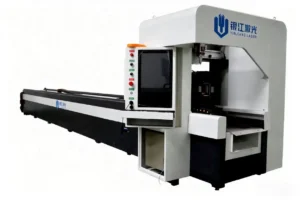
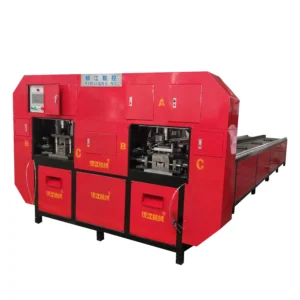
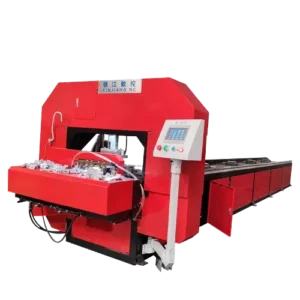
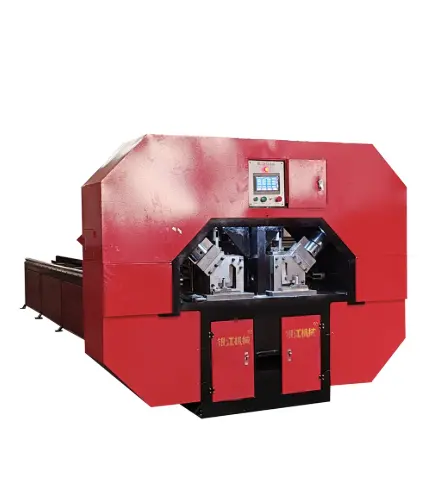
A channel steel punching machine is a type of metalworking equipment designed to process repeated holes, slots, and other die-formed openings in channel steel and similar metal profiles.
The required opening is produced by pressing a punch through the material into a matched die. Because the hole shape is determined by the die, the machine is especially suitable for standardized products with stable processing patterns.
A typical automatic channel steel punching system may include:
- Automatic feeding equipment
- Servo positioning system
- Hydraulic punching unit
- Customized punching dies
- Profile supporting devices
- CNC or touchscreen control system
- Fixed-length cutting unit
- Finished-part collection area
During production, the feeding system moves the channel steel to each programmed position. The punching unit then completes the required hole or slot according to the die design.
If the machine includes an integrated cutting unit, the processed profile can also be cut to the required length after punching.
The exact machine configuration depends on the channel steel dimensions, material thickness, hole layout, production quantity, and required automation level.
What Channel Steel Profiles Can It Process?
A channel steel punching machine can process different channel profiles according to the machine structure, feeding system, punching force, supporting fixtures, and die design.
Common workpieces may include:
- Standard channel steel
- Light-gauge channel profiles
- U-shaped steel profiles
- C-shaped steel profiles
- Galvanized steel channels
- Customized formed metal channels
The actual processing range depends on several factors, including:
- Profile width and height
- Flange dimensions
- Material thickness
- Total profile length
- Material grade
- Hole shape and size
- Hole position
- Distance between holes
- Required cutting length
The machine can be configured to produce repeated round holes, square holes, rectangular slots, notches, and other openings suitable for die punching.
If holes need to be processed on different sides of the channel, the supplier must evaluate whether the profile needs to be repositioned manually or whether the machine should use multiple punching units.
Thin or irregular channel profiles may also require additional supporting and clamping devices to reduce movement or deformation during punching.
Because channel steel specifications vary between products and industries, customers should not select a machine based only on a general profile name. Complete profile drawings and processing drawings should be provided before the machine configuration is confirmed.
The drawings should clearly show the channel dimensions, material thickness, hole pattern, hole spacing, processing side, cutting length, and required production quantity.
This information allows the supplier to evaluate the punching force, feeding method, positioning system, die structure, and supporting devices required for the project.
How Automatic Feeding and Punching Work
An automatic channel steel punching machine combines material feeding, positioning, punching, and optional fixed-length cutting in one production process.
The exact workflow depends on the machine configuration, but a typical production cycle includes the following steps.
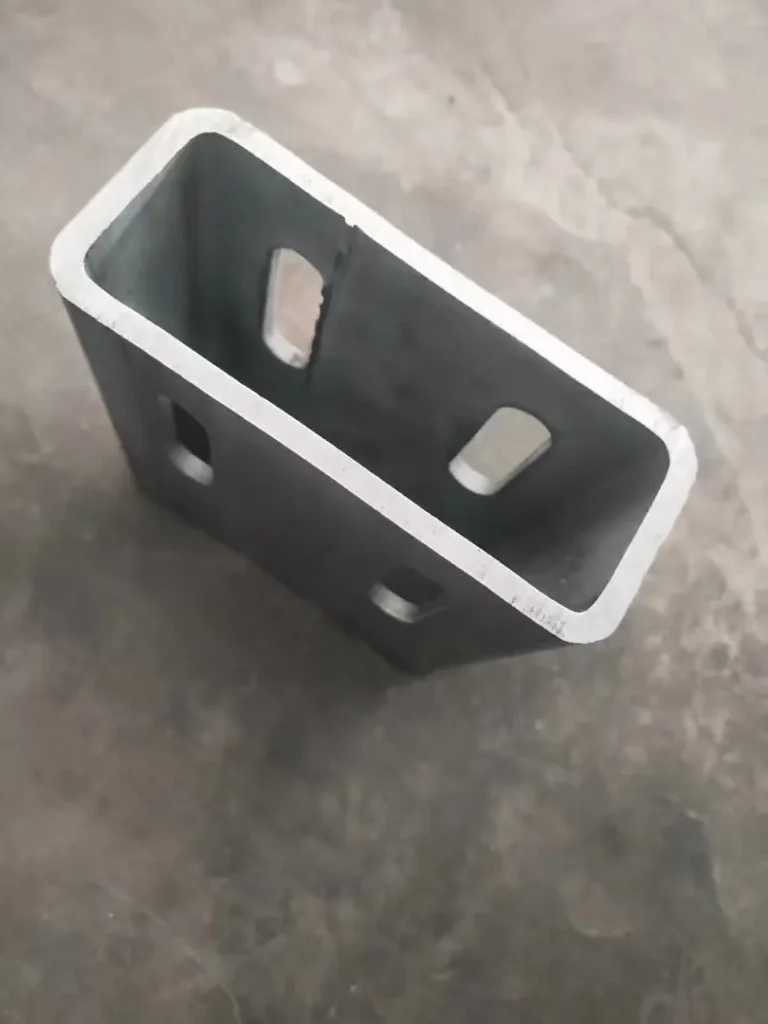
1. Load the Channel Steel
The operator places the channel steel on the feeding rack or supporting platform.
Before production begins, the material should be checked for excessive bending, deformation, rust, or large dimensional differences, as these conditions may affect feeding and positioning.
2. Set the Processing Parameters
The operator enters the required production information into the control system, such as:
- Hole position
- Distance between holes
- Number of holes
- Profile length
- Cutting length
- Production quantity
For repeated products, saved programs can reduce setup time when the same order is produced again.
3. Feed and Position the Profile
The automatic feeding system moves the channel steel toward the punching station.
A servo positioning system controls the feeding distance according to the programmed hole locations. Accurate positioning helps maintain consistent spacing across multiple workpieces.
Long profiles may require additional supporting racks to keep the material stable during feeding.
4. Complete the Punching Operation
When the channel steel reaches the programmed position, the hydraulic punching unit drives the punch through the material into the matched die.
The machine can continue feeding the profile until all required holes or slots have been completed.
The finished quality depends on the die clearance, material thickness, profile support, punching force, and machine adjustment.
5. Cut the Profile to Length
When the machine includes an integrated cutting unit, the processed channel steel can be cut according to the programmed length.
This allows feeding, positioning, punching, and cutting to be completed in one production line, reducing repeated material handling.
The suitable cutting method must be confirmed according to the channel dimensions, thickness, and finished-part requirements.
6. Inspect the Finished Parts
After processing, the operator should check:
- Hole dimensions
- Hole spacing
- Cutting length
- Burr condition
- Profile deformation
- Overall consistency
Regular inspection helps identify incorrect parameters, worn dies, or feeding problems before a large production batch is completed.
Automatic feeding and punching are especially useful for standardized products that require repeated hole patterns. However, customers should provide complete drawings and production requirements so that the supplier can confirm the correct feeding system, punching unit, die design, and cutting configuration.
Common Applications of Channel Steel Punching Machines
Channel steel punching machines are suitable for products that require repeated holes, stable spacing, and batch production.
Solar Mounting Systems
Channel steel used in solar mounting structures often requires repeated installation holes. Automatic feeding and punching can improve hole-spacing consistency during batch production.
Cable Tray Supports
Channel profiles used for cable tray supports may require mounting holes and slots in fixed positions. Customized dies can be designed according to the customer’s drawings.
Shelving and Storage Racks
Warehouse racks and shelving systems often use channel profiles with repeated connection holes. Automatic punching helps reduce manual measuring and drilling.
Steel Structures and Construction Supports
Channel steel components used in steel structures may require holes for bolts, brackets, and assembly connections. The machine configuration should be confirmed according to the profile size and material thickness.
Industrial Frames and Components
Customized channel profiles are also used in machinery frames and other industrial products. The machine can process different hole patterns by changing the die and production settings.
Before confirming a machine, customers should provide profile drawings, hole positions, material thickness, cutting length, and expected production quantity.
Key Factors to Check Before Buying
Before purchasing a channel steel punching machine, the machine configuration should be confirmed according to the actual material and production requirements.
Profile Dimensions
Provide the channel width, height, thickness, length, and cross-sectional drawing. Different profiles may require different feeding and supporting devices.
Hole Pattern
Clearly mark the hole shape, size, spacing, position, and processing side on the drawing. Customized dies are normally designed according to these details.
Production Capacity
Factories with continuous batch production may require automatic feeding and fixed-length cutting. Smaller or frequently changing orders may use a simpler configuration.
Punching Dies
Confirm how many dies are included, how they are replaced, and whether additional dies can be ordered for other products.
Machine Testing
Before shipment, the supplier should test the machine using the customer’s material or similar samples. Customers can check the hole position, burrs, profile deformation, and cutting length.
Conclusion
A channel steel punching machine is suitable for batch production that requires repeated holes, stable spacing, and consistent profile lengths.
Automatic feeding, servo positioning, customized dies, and optional cutting units can reduce manual measuring and improve production efficiency.
Before selecting a machine, customers should provide complete profile drawings, material thickness, hole patterns, cutting lengths, and expected production quantities. Based on this information, the supplier can recommend a suitable machine configuration and tooling solution.