English
Table of Contents
Introduction
Metal tube manufacturers often need to process different holes, slots, contours, and cutouts before welding or assembly. Traditional processing methods may require several machines, repeated positioning, or customized tooling, especially when product designs change frequently.
An automatic tube laser cutting machine combines programmed laser cutting with automatic material loading and feeding. It can process different patterns according to digital drawings without requiring a separate punching die for every shape.
This flexibility makes the machine suitable for manufacturers producing round tubes, square tubes, rectangular tubes, and other metal profiles in different sizes and batch quantities.
This article explains how an automatic tube laser cutting machine works, what materials and tube shapes it can process, its common applications, and the main factors customers should check before purchasing one.
What Is an Automatic Tube Laser Cutting Machine?
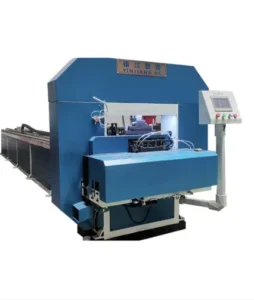
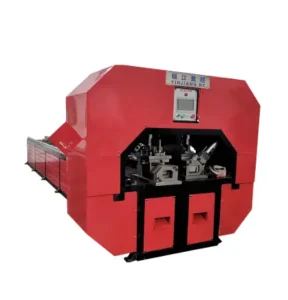
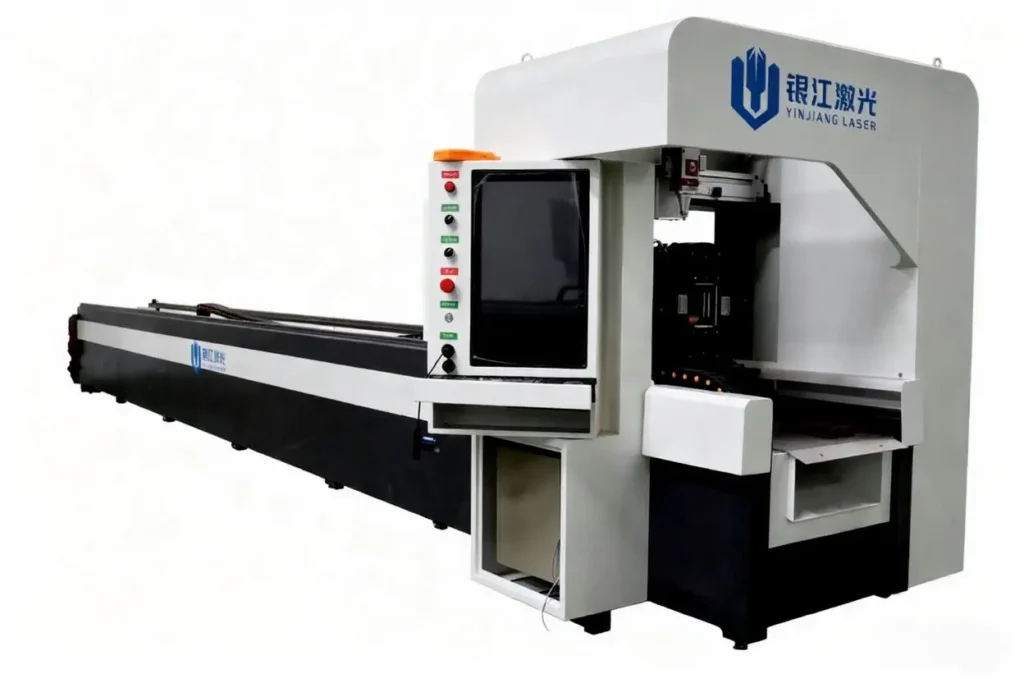
An automatic tube laser cutting machine is a CNC-controlled system designed to cut holes, slots, contours, and finished lengths in metal tubes and profiles.
The machine uses a focused laser beam to follow a programmed cutting path. The required shape is created according to a digital drawing, so manufacturers can change the processing pattern by modifying the program instead of producing a new punching die.
A typical automatic tube laser cutting system may include:
- Automatic loading equipment
- Material feeding system
- CNC control system
- Laser cutting head
- Tube clamping chucks
- Servo positioning system
- Finished-part collection area
After the operator loads the required program, the feeding system moves the tube into the cutting area. The machine positions the material, completes the programmed cutting operations, and continues feeding the next section according to the production settings.
Compared with manual loading, an automatic feeding system can reduce repeated material handling and support more continuous production. However, the actual automation level depends on the machine configuration, tube dimensions, material weight, and customer requirements.
What Tubes and Materials Can It Process?
An automatic tube laser cutting machine can process different metal tubes and profiles according to the machine configuration, chuck structure, laser power, and loading system.
Common tube shapes include:
- Round tubes
- Square tubes
- Rectangular tubes
- Oval tubes
- Flat-sided profiles
- Customized metal profiles
Depending on the machine model and cutting requirements, suitable materials may include carbon steel, stainless steel, galvanized steel, and other laser-processable metals.
The actual processing range must be confirmed according to the tube’s:
- Outside diameter
- Width and height
- Wall thickness
- Total length
- Material type
- Profile shape
- Weight per piece
Round, square, and rectangular tubes are generally easier to load and position because their shapes are relatively regular. Irregular profiles may require special clamping, supporting, or feeding solutions.
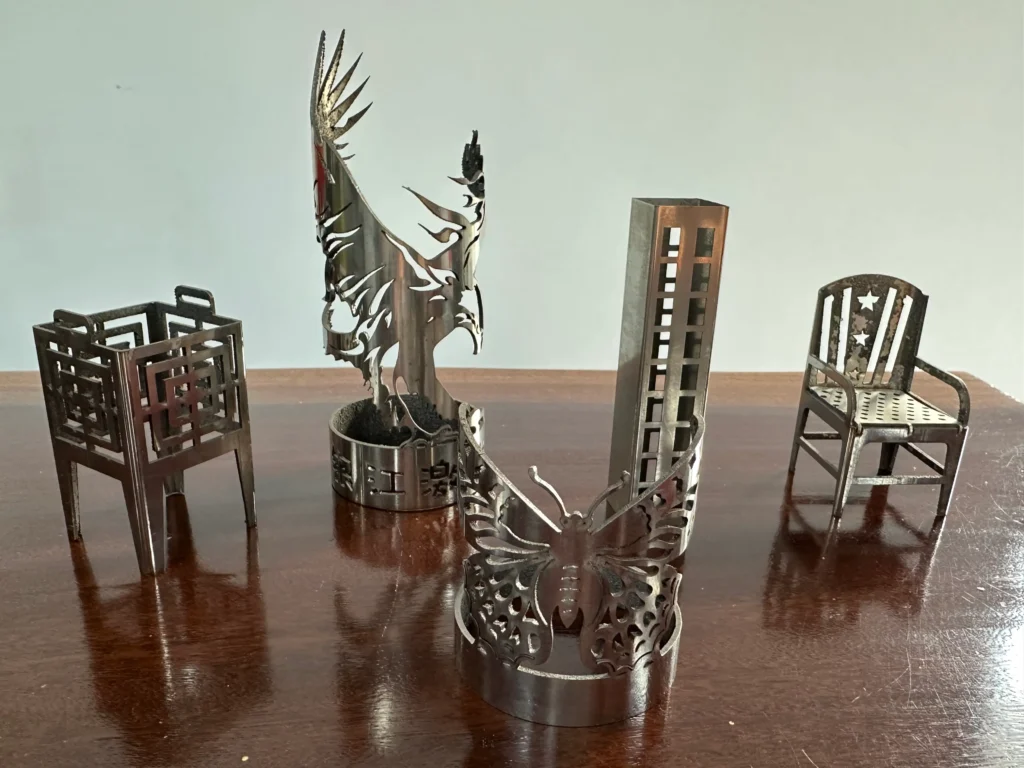
The machine can be programmed to produce different processing features, such as:
- Round and shaped holes
- Slots
- End cuts
- Angled cuts
- Notches
- Openings
- Contour cutting
- Fixed-length cutting
However, not every tube shape or cutting pattern is suitable for the same machine configuration. Complex profiles, thick materials, or special cutting positions should be evaluated using drawings or physical samples.
Before requesting a quotation, customers should provide the tube drawing, material type, wall thickness, profile length, required cutting pattern, and expected production quantity. This information helps the supplier confirm whether the machine can process the product and recommend a suitable configuration.
How Automatic Loading and Feeding Works
The automatic loading and feeding system moves metal tubes from the material storage area into the laser cutting machine with less manual handling.
The exact workflow depends on the tube shape, length, weight, and machine configuration, but a typical production process includes the following steps.
1. Load the Raw Tubes
The operator places a batch of metal tubes on the loading rack.
Before production begins, the tubes should be checked for excessive bending, deformation, rust, or major dimensional differences, as these conditions may affect feeding and positioning.
2. Separate and Transfer the Tube
The loading system separates one tube from the batch and transfers it toward the feeding position.
For regular round, square, and rectangular tubes, this process can normally be completed automatically. Irregular profiles may require a customized loading solution or manual assistance.
3. Clamp and Position the Material
The tube is moved into the machine and held by the clamping chucks.
The control system positions the material according to the programmed cutting drawing. Stable clamping is important because movement or slipping during cutting may affect the accuracy of the finished part.
4. Feed the Tube into the Cutting Area
The feeding system moves the tube forward according to the programmed length and cutting position.
The machine coordinates the tube movement, chuck rotation, and laser cutting path so that different sides of the tube can be processed according to the drawing.
5. Complete the Cutting Operations
The laser cutting head follows the programmed path to produce holes, slots, notches, contours, and end cuts.
After one section is completed, the machine continues feeding the tube until all required cutting operations have been finished.
6. Unload the Finished Parts
The processed parts are discharged or collected according to the machine configuration.
The operator should check the cutting dimensions, edge condition, hole position, part length, and overall consistency before continuous batch production.
Automatic loading and feeding can reduce repeated manual handling and support more continuous operation. However, customers should confirm the supported tube length, profile dimensions, material weight, loading capacity, and finished-part collection method before selecting a machine.
Common Applications in Metal Fabrication
Automatic tube laser cutting machines are used in industries that require different holes, slots, contours, and end shapes to be processed on metal tubes.
Because the cutting path is controlled by a digital program, the machine is suitable for both standardized production and orders with frequently changing designs.
Metal Furniture and Display Racks
Metal furniture frames, shelving systems, display racks, tables, chairs, and storage structures often use round, square, or rectangular tubes.
Laser cutting can process connecting holes, slots, end cuts, and positioning features before welding and assembly. This can reduce repeated measuring and simplify later production steps.
Guardrails and Metal Structures
Metal tubes used for guardrails, fences, handrails, frames, and structural components may require repeated openings, angled cuts, and connection positions.
A tube laser cutting machine can process these features according to the production drawing. It is especially useful when different products require different hole patterns or cutting angles.
Automotive and Transportation Components
Some vehicle frames, brackets, seat structures, exhaust-related components, and transportation equipment parts are manufactured from metal tubes.
Laser cutting can be used to create holes, contours, notches, and end profiles before bending, welding, or assembly. The actual application depends on the material, tube dimensions, and required tolerance.
Fitness and Sports Equipment
Fitness machines, exercise equipment, bicycle-related structures, and sports frames often use tubes with different shapes and wall thicknesses.
The machine can process repeated connection holes, mounting positions, and tube-end shapes according to digital drawings, making it suitable for factories producing several equipment models.
Agricultural and Industrial Equipment
Metal tubes are also used in agricultural machinery, material-handling equipment, industrial frames, and customized mechanical structures.
Laser cutting allows manufacturers to change the processing program for different products without preparing a separate punching die for every design.
General Metal Fabrication
Job shops and metal fabrication factories may receive orders involving different tube sizes, materials, and processing patterns.
An automatic tube laser cutting machine provides flexibility for customized production, small and medium batches, and products that require frequent drawing changes.
Before confirming a machine for any application, customers should provide complete tube and processing drawings. The supplier should evaluate the tube shape, wall thickness, cutting position, required accuracy, and production quantity before recommending the final configuration.
Conclusion
An automatic tube laser cutting machine is suitable for manufacturers that need flexible processing of round, square, rectangular, and other metal tubes.
With automatic loading, feeding, positioning, and programmed laser cutting, the machine can reduce repeated manual handling and process different holes, slots, contours, and cutting lengths according to digital drawings.
Before choosing a machine, customers should provide the tube dimensions, material type, wall thickness, processing drawings, tube length, and expected production quantity. Our team can evaluate these requirements and recommend a suitable machine configuration.